Perfect Garlic Confit: Essential Tips for Slow Roasting & Best Oil
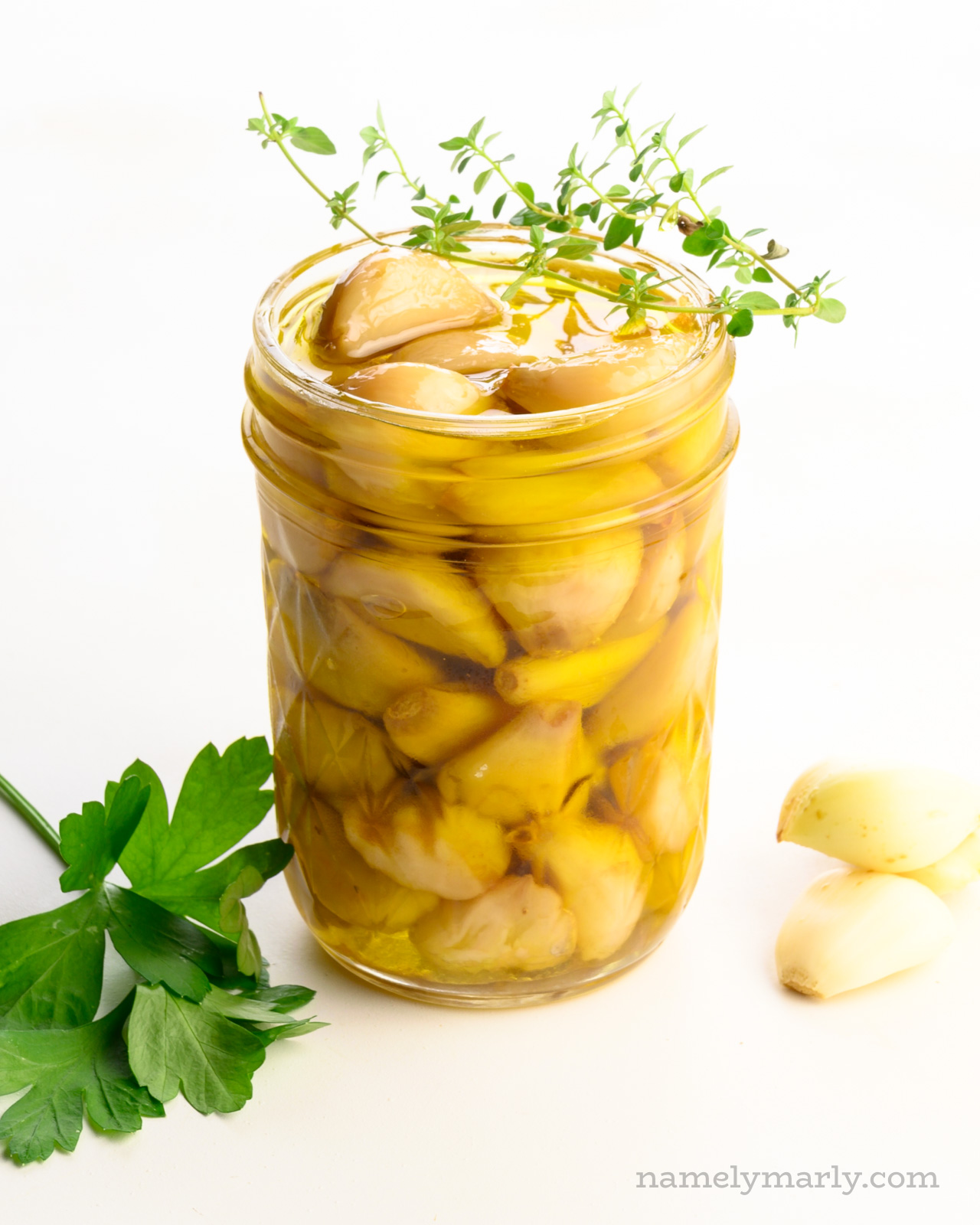
Imagine golden, impossibly tender garlic cloves, swimming in a rich, aromatic oil that hums with deep, mellow flavor. This isn't just a fantasy; it's the magic of garlic confit. More than just a simple ingredient, garlic confit is a culinary game-changer – a secret weapon for elevating countless dishes from the mundane to the magnificent. Often described as a delightful stage between a pickle and a chutney, this French delicacy (pronounced "con-fee," meaning "to preserve") involves gently slow-roasting garlic in fat, transforming its pungent raw bite into a sweet, nutty, and spreadable delight.
Making perfect garlic confit at home is surprisingly easy, yet it unlocks a world of flavor potential that every home cook should explore. Whether you're looking for an incredible spread for crusty bread, a rich base for sauces, or a flavorful addition to your favorite pasta, mastering the art of garlic confit is an essential skill.
What Exactly is Garlic Confit? The Art of Preservation
At its heart, a
garlic confit recipe is a simple yet elegant method of preservation. Originating from French culinary traditions, "confit" refers to cooking an ingredient slowly in its own fat or in another fat, allowing it to become incredibly tender and infused with flavor while also extending its shelf life. For garlic, this means gently simmering whole, peeled cloves in oil over a very low heat until they are buttery-soft, slightly caramelized, and lose their characteristic pungency.
This slow cooking process not only softens the garlic but also concentrates its sugars, resulting in a sweet, savory, and incredibly creamy texture. The oil, meanwhile, becomes deeply infused with garlic essence, transforming into a versatile, aromatic ingredient in its own right. It's a method that beautifully showcases the humble garlic clove, turning it into a luxurious spread or a foundational flavor enhancer for a myriad of dishes. Its ease of preparation belies the profound impact it can have on your cooking, making it a must-try for anyone passionate about flavor.
Mastering the Ingredients: Choosing Your Garlic & Oil
The success of your
garlic confit recipe hinges significantly on the quality of your core ingredients: the garlic itself and the oil you choose. Getting these right is key to achieving that perfect flavor and texture.
Selecting Your Garlic
For the best results, opt for
large, plump garlic cloves. Larger cloves hold up better during the long, slow roasting process, ensuring they remain intact and become wonderfully tender without disintegrating. While peeling garlic can be a tedious task, there's a simple trick to make it easier: separate the cloves, place them in a sturdy container with a lid, and shake vigorously for about a minute. The skins will often loosen or even fall off, making the rest of the job a breeze. Always use fresh, firm garlic – avoid any cloves that show signs of sprouting or softness, as these can impart a bitter flavor.
Choosing the Best Oil for Garlic Confit
The oil isn't just a cooking medium; it's an integral part of the confit's flavor and a critical component of its preservation.
*
Extra Virgin Olive Oil (EVOO): Traditionally, extra virgin olive oil is the gold standard for garlic confit, and for good reason. Its fruity, peppery notes complement the mellow sweetness of the slow-roasted garlic beautifully, resulting in the most authentic and desirable flavor profile. If flavor is your top priority, EVOO is unequivocally the best choice.
*
Refined Oils: While EVOO is ideal, good quality refined oils (like grapeseed, canola, or sunflower oil) can also be used. They offer a more neutral base, allowing the garlic's flavor to shine through almost exclusively. However, they lack the nuanced depth that olive oil provides.
*
Oils to Avoid (or Use with Caution): Oils with strong, distinct flavors such as gingelly (sesame), groundnut (peanut), or mustard oil should generally be avoided. Their intense flavors tend to overpower the delicate sweetness of the confit garlic, masking its true essence rather than enhancing it.
Optional Flavor Enhancers
While exquisite on its own, your garlic confit can be further personalized with additional aromatics. A sprig of fresh rosemary, a few bay leaves, a pinch of red pepper flakes for a subtle kick, or a dash of dried oregano can all add layers of complexity without overshadowing the star ingredient. A good pinch of salt is also essential, seasoning both the garlic and the oil. These additions are purely optional, but they offer an opportunity to tailor the confit to your personal taste.
The Crucial Technique: Slow Roasting for Perfection
The secret to a truly perfect
garlic confit recipe lies in one simple phrase:
slow roasting. This isn't a process you can rush. Gentle heat and patience are paramount to transforming raw, pungent garlic into sweet, buttery soft cloves that practically melt in your mouth.
The Art of Slow Cooking
Whether you opt for the stovetop or oven method, the principle remains the same: keep the temperature consistently low.
*
Stovetop Method: Place your peeled garlic cloves in a small, heavy-bottomed saucepan or oven-safe pot. Cover the garlic completely with your chosen oil, ensuring there's at least an inch of oil above the top layer of cloves. Add any desired herbs or seasonings. Place the pot over the lowest possible heat setting. The goal is a very gentle simmer, with just tiny bubbles occasionally breaking the surface – never a vigorous boil. Let it gently confit for 45 minutes to 2 hours, or until the garlic cloves are deeply golden, incredibly soft, and easily mashable with a fork.
*
Oven Method: Preheat your oven to its lowest setting, typically around 250-300°F (120-150°C). Arrange the garlic cloves and oil (along with any additions) in an oven-safe dish or baking pan. Roast for 1 to 2.5 hours, or until the garlic is tender and lightly golden. The oven provides more consistent, hands-off heat, which many find convenient.
The longer the garlic cooks at a low temperature, the more flavorful and tender it will become, and the better the oil will be infused. It also contributes to its overall longevity. You'll know it's done when the garlic cloves are golden brown, translucent, and incredibly soft.
For a detailed, step-by-step visual guide on this essential process, you might find our article
Easy Homemade Garlic Confit: Step-by-Step Guide for Flavorful Oil incredibly helpful. It walks you through each stage to ensure your first batch is a resounding success.
Important Safety Note: Botulism Prevention
While delicious, garlic confit, like any oil-preserved garlic product, carries a small risk of botulism if not handled correctly.
Clostridium botulinum spores can thrive in oxygen-free environments like oil, especially if the garlic is not acidified. To ensure safety:
1. Always store garlic confit in the refrigerator in a tightly sealed, clean glass or ceramic container immediately after it has cooled.
2. Consume within 3-5 days. If you make a larger batch, consider freezing portions of the confit (both garlic and oil) for longer storage (up to several months).
3. Do not store at room temperature. Although the reference context mentioned keeping it on a dining table, current food safety guidelines strongly advise against this due to the botulism risk. Always refrigerate.
Unlocking Flavor: Versatile Uses for Your Homemade Confit
Once you’ve mastered the
garlic confit recipe, you'll find yourself with two incredibly versatile ingredients: the tender, slow-roasted garlic cloves and the intensely flavored garlic-infused oil. Both can transform everyday meals into gourmet experiences.
The uses are virtually endless: as a simple spread, a potent seasoning, or a gourmet condiment, garlic confit enhances everything it touches.
Here are just a few ideas to get you started:
*
The Ultimate Spread: Mash the confit garlic cloves and spread them generously on warm crusty bread, toasted buns, or even a plain roti. It's also a phenomenal filling for sandwiches.
*
Elevate Breakfast: Use it as an alternative to butter on toast, dosas, or uttappams, or stir a spoonful into your scrambled eggs.
*
Pasta Perfection: Toss the warm confit garlic and its infused oil with freshly cooked spaghetti for a quick and easy Aglio e Olio. It also makes a fantastic base for other pasta sauces or a flavor boost for noodles and semiya.
*
Burger & Sandwich Booster: Top your burgers, hot dogs, or grilled sandwiches with a few cloves for an explosion of mellow garlic flavor.
*
Savory Topping: Spoon confit garlic and oil over roasted vegetables, grilled meats, curries, or main dishes just before serving.
*
Rice Enhancer: Stir a teaspoon into plain rice, or mix it with dal or any pulse-based dish for a savory depth.
*
Soup & Sauce Secret: Add a dollop to your favorite soups or sauces to deepen their savory notes and add a silky texture.
*
Homemade Salad Dressing: Blend confit garlic with vinegar, a squeeze of lemon juice, and a touch of honey for a unique, flavorful salad dressing.
Remember, you can use the soft garlic cloves on their own, the infused oil separately, or combine both for maximum impact. To discover even more creative ways to incorporate this culinary gem into your kitchen repertoire, check out our guide:
Unlock Flavor: 10+ Versatile Ways to Use Homemade Garlic Confit.
Conclusion
Creating your own perfect garlic confit is a rewarding culinary endeavor that brings immense flavor to your kitchen. From selecting the finest garlic and the best oil to mastering the low-and-slow roasting technique, each step contributes to a final product that is far greater than the sum of its parts. This versatile ingredient – with its buttery-soft cloves and aromatic infused oil – is a testament to how simple processes can yield extraordinary results. Embrace the magic of this
garlic confit recipe; it’s an easy, yet incredibly impactful way to add depth, richness, and an undeniable gourmet touch to virtually any dish you create. So, peel those cloves, pour that oil, and prepare to embark on a delicious journey that will transform your cooking forever.