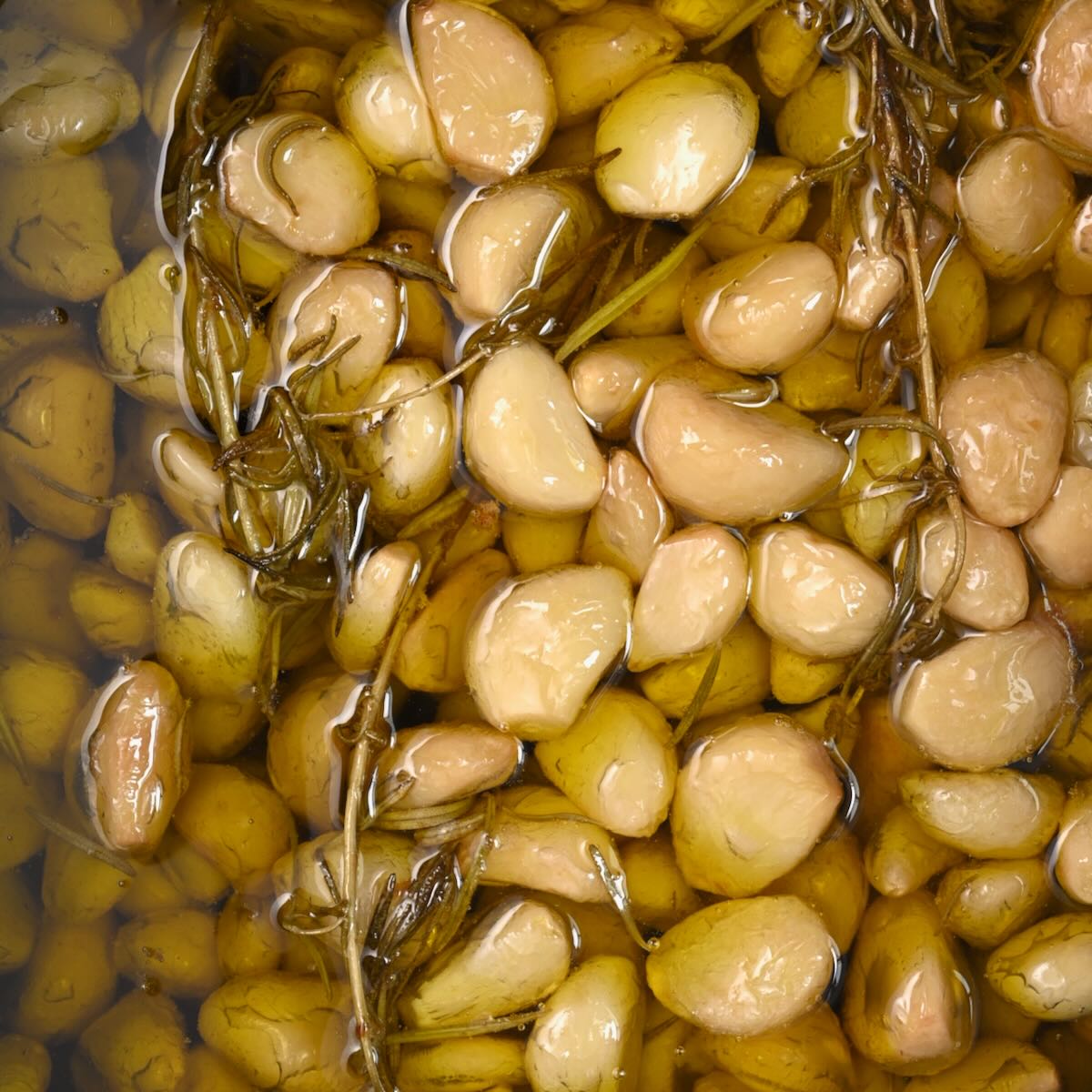
What Exactly Is Garlic Confit, and Why Make It?
Imagine a culinary secret weapon that elevates everyday dishes from ordinary to extraordinary. That's precisely what homemade garlic confit is! Far more than just roasted garlic, garlic confit is a luxurious, slow-cooked preparation where garlic cloves are gently simmered in oil until they turn buttery soft and deeply caramelized, imparting an incredibly rich, mellow, and sweet flavor. Pronounced "kon-fee," this French technique traditionally means "to preserve" by slowly cooking an ingredient in its own fat or in oil. While often associated with meats, this method transforms humble garlic into an unctuous, flavorful spread, seasoning, or condiment.
Why bother making your own garlic confit recipe at home? The reasons are plentiful. Store-bought versions simply can't compare to the fresh, vibrant taste of a homemade batch. You gain complete control over the ingredients, ensuring no unwanted additives, and you can customize it with your favorite herbs and spices. Furthermore, the slow cooking process extracts and infuses the oil with an intoxicating garlic essence, leaving you with two incredible ingredients: melt-in-your-mouth garlic cloves and a fragrant, garlic-infused oil. It's an easy-to-make, versatile addition to any kitchen that promises to add a touch of magic to your meals, acting as a stage between a pickle and a chutney, ready to be explored.
Essential Ingredients for Your Homemade Garlic Confit
Crafting perfect garlic confit requires just a few key ingredients, but choosing them wisely makes all the difference in flavor and texture.
The Garlic: Quality and Preparation are Key
- Variety Matters: Opt for large, fat garlic cloves. Not only are they easier to peel, but their size also allows them to cook more evenly and retain their shape better during the slow roasting process. While any garlic will technically work, larger cloves offer the best results.
- Peeling Hack: Peeling countless garlic cloves can be the most daunting part of this recipe. Here's a pro tip to make it a breeze: Separate the cloves, place them in a sturdy, sealed container (like a large jar or two metal bowls sealed together), and shake vigorously for about 30-60 seconds. The skins will loosen and often fall right off! For any stubborn ones, a quick tap with the flat side of a knife can help.
- Fresh is Best: While pre-peeled garlic is convenient, fresh garlic cloves will always yield the best flavor and texture for confit.
The Oil: A Medium for Flavor Infusion
- Extra Virgin Olive Oil (EVOO): Traditionally, extra virgin olive oil is the preferred choice for garlic confit due to its robust flavor profile that beautifully complements garlic. However, keep in mind that EVOO has a lower smoke point, so absolute vigilance over the heat is crucial to prevent bitterness.
- Lighter Olive Oil or Refined Oils: For those concerned about heat management or who prefer a more neutral backdrop for the garlic flavor, a lighter olive oil, avocado oil, or even a good quality refined oil (like grapeseed or sunflower) can be excellent alternatives. These oils typically have higher smoke points, offering a bit more leeway with temperature control.
- Avoid Overpowering Oils: While oils like gingelly (sesame), groundnut (peanut), or mustard oil have their place in cooking, their strong, distinctive flavors can easily overpower the delicate sweetness of the confit garlic. Stick to neutral or complementary oils for the best garlic-forward result.
- Quantity: Ensure you use enough oil to completely submerge all the garlic cloves. This creates the essential anaerobic environment for the confit process and prevents any part of the garlic from frying rather than gently poaching.
Optional Additional Flavors: Elevate Your Confit
While garlic and oil are the stars, a few additions can enhance the complexity of your confit. Remember, these are entirely optional:
- Fresh Herbs: Rosemary sprigs or thyme branches infuse a beautiful earthy aroma.
- Spices: A pinch of red pepper flakes for a subtle kick, a bay leaf for warmth, or a few black peppercorns can add depth.
- Salt: A sprinkle of sea salt is essential for seasoning the garlic as it cooks, bringing out its natural sweetness.
Your Easy Step-by-Step Garlic Confit Recipe (Stovetop & Oven Methods)
Making homemade garlic confit is a lesson in patience, as the key to success lies in slow, gentle cooking. Whether you choose the stovetop or oven method, the goal is to gently poach the garlic, not fry it.
Preparation is Simple:
- Peel Garlic: Begin by peeling about 1-2 heads of garlic, or roughly 1 cup of peeled cloves. (Remember the shaking hack!).
- Choose Your Vessel: For the stovetop, a small, heavy-bottomed saucepan or pot works best. For the oven, a small, oven-safe dish or ramekin is ideal.
Stovetop Method: Hands-On Control
- Combine Ingredients: Place the peeled garlic cloves in your chosen saucepan. Add your preferred oil, ensuring the garlic is completely submerged by at least half an inch. Add a pinch of salt and any optional herbs (like rosemary or thyme) or spices.
- Gentle Heat: Place the saucepan over the lowest possible heat setting on your stove. You want to see the tiniest, most infrequent bubbles, indicating a very gentle simmer. The oil should never sizzle or boil vigorously.
- Slow Cook: Cook for 45 minutes to 1.5 hours, or even longer, depending on the size of your garlic cloves and the heat setting. Stir occasionally to ensure even cooking.
- Check for Doneness: The garlic is ready when the cloves are golden brown, deeply fragrant, and fork-tender, easily mashable with the back of a spoon. They should feel incredibly soft and buttery.
- Cool Completely: Remove from heat and allow the garlic confit to cool completely in the oil before transferring it to storage.
Oven Method: Low and Slow, Less Monitoring
- Combine Ingredients: Place the peeled garlic cloves in a small, oven-safe dish. Add your chosen oil until the garlic is fully submerged, along with salt and any optional herbs or spices.
- Low Temperature Roast: Preheat your oven to a very low temperature, typically between 250°F (120°C) and 300°F (150°C). A lower temperature means a longer cooking time but a gentler confit.
- Roast Until Tender: Place the dish in the preheated oven and roast for 1.5 to 2.5 hours, or until the garlic cloves are golden, tender, and incredibly soft. Check periodically, especially towards the end, to ensure the garlic isn't browning too quickly.
- Cool Completely: Carefully remove the dish from the oven and let the garlic confit cool completely in the oil before storing.
Storing Your Flavorful Creation Safely & Maximizing Its Shelf Life
Garlic confit is a culinary delight, but proper storage is paramount to ensure food safety. Because garlic is a low-acid food and the confit process creates an oxygen-free environment, there's a risk of botulism if not handled correctly. However, this risk is easily mitigated with proper refrigeration and timely consumption.
- Refrigeration is Non-Negotiable: Once cooled, immediately transfer your garlic confit (cloves and oil) to a clean, airtight glass or ceramic container. Store it in the refrigerator. Do not leave garlic confit at room temperature for extended periods.
- Shelf Life: Properly stored in the refrigerator, homemade garlic confit typically lasts for 1-2 weeks. Some sources suggest 3-5 days, so err on the side of caution. For longer storage, consider freezing portions.
- Freezing for Longevity: For extended shelf life (up to several months), freeze the garlic confit. You can freeze individual cloves in an ice cube tray with a little oil, then transfer them to a freezer-safe bag or container once solid. The garlic-infused oil can also be frozen separately.
- Signs of Spoilage: Always inspect your confit before use. Discard immediately if you notice any off odors, mold, discoloration, or bubbling.
Unleash the Flavor: Creative Ways to Use Your Garlic Confit
Once you have a jar of this golden goodness, you'll find countless ways to incorporate it into your cooking. Both the tender garlic cloves and the aromatic infused oil are incredibly versatile:
- Spreads & Dips: Mash the confit cloves onto toasted bread, bagels, or crackers. Blend them into hummus, mayonnaise, or a creamy dip. It makes an incredible alternative to traditional Idli powder for Idli or Dosa.
- Pasta & Grains: Toss the cloves and oil with hot pasta for a quick Aglio e Olio, or stir into rice, quinoa, or couscous for an instant flavor boost. Spoon it over Dosa or Uttappam.
- Vegetables & Proteins: Add to roasted vegetables, top a baked potato, or swirl into mashed potatoes. Use it as a marinade or glaze for chicken, fish, or tofu. It's a fantastic topping for vegetable curries or main dishes.
- Soups & Sauces: Whisk into salad dressings, stir into soups, stews, or gravies for a deeper flavor.
- Sandwiches & Burgers: Spread it on burger buns or use it as a flavorful filling for sandwiches.
- Flavorful Finish: Drizzle the infused oil over pizzas, salads, eggs, or anything that needs a touch of rich garlic essence.
From a simple spread on crusty bread to a secret ingredient in gourmet dishes, the possibilities are endless. For a deeper dive into creative culinary applications, explore our article: Unlock Flavor: 10+ Versatile Ways to Use Homemade Garlic Confit.
Expert Tips for Perfecting Your Garlic Confit
While the process is straightforward, a few key tips can elevate your homemade garlic confit from good to absolutely sublime:
- "Slow and Low" is the Mantra: This is the golden rule. The longer and slower you cook the garlic at a very gentle temperature, the sweeter, more tender, and more flavorful your confit will be. Avoid high heat at all costs, as it will fry and burn the garlic, making it bitter.
- Don't Skimp on Oil: Always ensure the garlic cloves are fully submerged in oil. This is crucial for the confit process and contributes to better preservation and flavor infusion.
- Monitor Temperature: If using the stovetop, keep an eye on the oil. It should barely shimmer and show only the smallest, occasional bubbles. If it starts to sizzle, reduce the heat immediately. For oven cooking, a thermometer can help verify your oven's true temperature.
- Season Appropriately: A little salt goes a long way in enhancing the garlic's natural sweetness and rounding out the flavor.
- Embrace Experimentation: Don't hesitate to experiment with different herbs or spices in small batches to find your favorite flavor combinations.
- Let it Mellow: While delicious warm, the flavors of garlic confit often deepen and meld beautifully once completely cooled and allowed to rest.
Mastering the art of garlic confit is all about patience and a few key techniques. To ensure every batch is perfect, delve into our essential guide: Perfect Garlic Confit: Essential Tips for Slow Roasting & Best Oil.
Conclusion
Homemade garlic confit is more than just a recipe; it's an investment in flavor that pays dividends in every dish it touches. With its buttery texture, sweet, mellow garlic flavor, and versatile applications, it's destined to become a staple in your kitchen. This garlic confit recipe is surprisingly easy to master, requiring more patience than skill, and rewards you with not one, but two incredible ingredients: tender garlic cloves and richly infused oil. So, take the plunge, embrace the slow cook, and unlock a new dimension of flavor that will undoubtedly add magic to your everyday cooking.
